

As we move further into 2026, having a professional online presence is no longer optional. Whether you are running a personal blog, launching a startup, managing an eCommerce store, or offering services online, your website forms the foundation of your digital identity. The first and most important step in building that presence is selecting the right web hosting provider.
With hundreds of hosting companies competing in the market, pricing continues to be a major deciding factor for individuals and small businesses. Affordable hosting solutions that balance cost, performance, reliability, and support have become essential for website owners who want to launch and grow online without overspending.
Choosing the right hosting provider can feel complex because multiple factors influence website performance, including server quality, uptime reliability, customer support, renewal pricing, and data center locations. Understanding these factors helps you make an informed decision that supports long-term growth.
This guide compares some of the best affordable web hosting providers available in 2026, focusing on value, performance, and usability. The goal is to help website owners identify hosting solutions that offer reliable infrastructure without exceeding budget constraints.
The article reviews popular providers including Purvaco, Bluehost, GoDaddy, SiteGround, Hostinger, Namecheap, BigRock, and Hosting.com. Each provider serves different use cases such as WordPress websites, eCommerce platforms, small business sites, beginner projects, and developer-focused environments.
What Are Affordable Web Hosting Services?
Affordable web hosting is not simply about choosing the lowest-priced plan. A reliable budget hosting provider delivers a balance between pricing and essential features such as storage, bandwidth, uptime consistency, security, and technical support.
Modern low-cost hosting providers now include features that were once limited to premium plans. These often include NVMe or SSD storage, free SSL certificates, automated backups, email hosting, and one-click installations for content management systems like WordPress.
For bloggers, students, startups, and small businesses, budget-friendly hosting provides an accessible entry point into the online ecosystem while still offering scalability as traffic and business needs grow.
How to Choose a Low-Cost Web Hosting Provider
When evaluating cheap hosting plans, cost should never be the only consideration. Performance, scalability, and long-term reliability are equally important.
1. Performance and Uptime Reliability
Website speed and uptime directly impact user experience, search engine rankings, and conversion rates.
What to consider:
-
Minimum 99.9% uptime guarantee
-
NVMe or SSD storage for faster data access
-
Optimized server environments for WordPress or CMS platforms
-
Built-in caching or performance optimization technologies
Slow websites increase bounce rates, especially among mobile users. Consistent uptime is particularly critical for business websites and online stores operating across different regions.
2. Storage and Bandwidth Allocation
Storage determines how much content your website can host, while bandwidth affects how many visitors your website can handle.
Key factors to check:
-
Adequate storage for media, databases, and files
-
Bandwidth capable of handling traffic spikes
-
Clear usage limits rather than vague “unlimited” claims
-
Easy upgrade options for scaling resources
Small blogs may need moderate resources, while growing businesses should prioritize scalability.
3. 24/7 Technical Support
Even reliable hosting environments occasionally face technical issues. Responsive support plays a crucial role in minimizing downtime.
Look for:
-
24/7 support via chat, tickets, or phone
-
Fast response times
-
Knowledge base and tutorials
-
Support teams experienced with common CMS platforms
Beginners especially depend on hosting support during setup and troubleshooting stages.
4. Introductory vs Renewal Pricing
Many hosting providers offer low introductory rates that significantly increase during renewal.
Important considerations:
-
Transparent renewal pricing
-
Flexible billing options
-
Local or global payment methods
-
Data centers closer to target audiences for lower latency
Clear pricing structures prevent unexpected costs later.
Comparison: Top Affordable Web Hosting Providers
| Provider | Starting Price | Storage | Bandwidth | Free SSL | Free Domain | Support |
|---|---|---|---|---|---|---|
| Purvaco | Budget-friendly | NVMe SSD | Unmetered | Yes | Yes | 24/7 |
| Bluehost | $3.99/mo | 10 GB | Unmetered | Yes | Yes | 24/7 |
| GoDaddy | $5.99/mo | 20 GB | Unmetered | Yes | Yes | 24/7 |
| SiteGround | $3.99/mo | 10 GB | Unmetered | Yes | No | 24/7 |
| Hostinger | $1.99/mo | 10 GB | Unmetered | Yes | Yes | 24/7 |
| Namecheap | $1.98/mo | 20 GB | Unmetered | Yes | Yes | 24/7 |
| BigRock | ₹69/mo | 5 GB | Unmetered | Yes | Yes | 24/7 |
| Hosting.com | $1.99/mo | 15 GB | Unmetered | Yes | No | 24/7 |
In-Depth Review of Hosting Providers
1. Purvaco
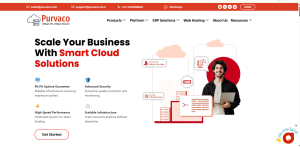
Overview:
Purvaco is a performance-focused hosting provider designed for startups, developers, and growing businesses that need reliable infrastructure without high hosting costs. The platform focuses on speed, scalability, and modern hosting technology while maintaining affordability for new and expanding websites.
Key Features
-
NVMe SSD storage for faster website loading
-
Optimized hosting environments for WordPress and modern CMS platforms
-
Free SSL certificates and essential security tools
-
Daily backups and migration assistance
-
Scalable hosting plans for growing websites
-
24/7 technical support
Pros
-
Strong performance at competitive pricing
-
Suitable for both beginners and advanced users
-
Scalable infrastructure for long-term growth
-
Balanced features for business and personal websites
Cons
-
Advanced enterprise cloud features may require higher-tier plans
-
Smaller brand recognition compared to older global hosts
Best For
Startups, small businesses, developers, and website owners who want performance-driven hosting at an affordable cost.
2. Bluehost

Overview:
Bluehost is one of the most widely recognized hosting providers globally and is commonly used by WordPress users. Its beginner-friendly interface and integrated tools make it easy for new website owners to launch quickly.
Key Features
-
One-click WordPress installation
-
Free domain for the first year
-
SSD storage with unmetered bandwidth
-
User-friendly control panel
-
Integrated WordPress tools and themes
Pros
-
Beginner-friendly setup
-
Strong WordPress ecosystem support
-
Reliable uptime for small websites
-
Easy website management tools
Cons
-
Renewal pricing is significantly higher
-
Support quality may vary by region
-
Limited advanced features on entry plans
Best For
Bloggers, WordPress users, and small business owners starting their first website.
3. GoDaddy

Overview:
GoDaddy is a globally known brand offering domain registration and web hosting services. It focuses on simplicity and accessibility, making it popular among beginners who want everything managed in one place.
Key Features
-
Easy-to-use hosting dashboard
-
One-click CMS installations
-
Domain and email integration
-
Unmetered bandwidth on shared hosting
-
Large knowledge base and tutorials
Pros
-
Simple setup for beginners
-
Strong brand reputation
-
Easy domain and hosting management
-
Wide range of additional services
Cons
-
Backup and migration features limited in basic plans
-
Support experience can be inconsistent
-
Higher renewal costs
Best For
Beginners and small business owners who want a simple hosting and domain solution from a single provider.
4. SiteGround

Overview:
SiteGround is known for high performance, security, and excellent customer support. Although slightly more expensive than entry-level hosting providers, it focuses on delivering consistent speed and reliability.
Key Features
-
Daily backups and free CDN integration
-
Advanced server-side caching
-
Managed WordPress hosting environment
-
Strong security monitoring
-
High uptime reliability
Pros
-
Excellent speed and performance
-
Strong customer support reputation
-
Advanced security features
-
Reliable for business websites
Cons
-
Higher renewal pricing
-
Limited storage on basic plans
-
More expensive than budget competitors
Best For
Small to medium business websites and users who prioritize performance and support over lowest price.
5. Hostinger

Overview:
Hostinger is widely recognized for offering extremely affordable hosting plans combined with modern infrastructure. Its clean interface and low entry cost make it attractive for beginners.
Key Features
-
Low introductory pricing
-
LiteSpeed web servers
-
Free SSL certificates
-
Beginner-friendly control panel
-
WordPress optimization tools
Pros
-
Very affordable starting plans
-
Easy onboarding process
-
Good performance for small websites
-
Modern hosting interface
Cons
-
Daily backups not included in basic plans
-
Renewal pricing increases
-
Limited resources on entry-level plans
Best For
Students, hobby websites, beginners, and small projects requiring low-cost hosting.
6. Namecheap

Overview:
Namecheap began as a domain registrar and later expanded into hosting services. Its hosting plans are focused on affordability and simplicity rather than high performance.
Key Features
-
Budget-friendly shared hosting
-
Free domain with annual plans
-
Basic control panel
-
Unlimited bandwidth on shared plans
-
Domain and hosting bundles
Pros
-
Very inexpensive plans
-
Easy domain management
-
Suitable for simple websites
-
Good entry-level option
Cons
-
Limited performance for high-traffic sites
-
Support quality may vary
-
Fewer data center options in Asia
Best For
Personal websites, portfolios, and low-traffic projects with minimal hosting requirements.
7. BigRock

Overview:
BigRock has a strong presence in the Indian hosting market and offers affordable hosting plans targeted at small businesses and beginners. It focuses on providing accessible hosting solutions with flexible upgrades.
Key Features
-
Affordable shared hosting plans
-
Free domain with selected annual plans
-
Easy website builder tools
-
24/7 customer support
-
Upgrade options available
Pros
-
Budget-friendly pricing for Indian users
-
Flexible upgrade paths
-
Money-back guarantee
-
Beginner-friendly tools
Cons
-
Server performance may vary
-
Support quality can be inconsistent
-
Limited advanced optimization features
Best For
Small business owners and beginners looking for economical hosting with local market familiarity.
8. Hosting.com

Overview:
Hosting.com (formerly A2 Hosting) focuses on speed optimization and performance-driven hosting environments. It combines performance tools with affordable shared hosting plans.
Key Features
-
Performance-optimized servers
-
Free SSL and security tools
-
WordPress optimized hosting
-
Multiple server location options
-
Full backup support
Pros
-
Strong performance for shared hosting
-
Optimization tools included
-
Good uptime reliability
-
Suitable for growing websites
Cons
-
Support quality varies
-
Best performance features available in higher plans
-
Pricing increases after renewal
Best For
WordPress users and moderate-traffic websites needing optimized performance without moving to expensive cloud hosting.
Best Cheap Hosting Based on Website Type
Best for WordPress Websites
-
Purvaco – optimized environments and performance-focused hosting
-
Bluehost – WordPress integration and easy setup
-
SiteGround – strong speed and security features
-
Hostinger – budget-friendly WordPress optimization
Best for eCommerce Websites
-
SiteGround – scalable infrastructure
-
Purvaco – SSL, backups, and reliable performance
-
BigRock – flexible upgrade options
Best for Small Business Websites
-
Purvaco – balanced performance and affordability
-
GoDaddy – simple setup and domain integration
-
Namecheap – economical option for basic needs
Best for Beginners
-
Hostinger – guided setup process
-
GoDaddy – simple control panel
-
Purvaco – easy management interface with support assistance
Best for Developers and Advanced Users
-
Purvaco – SSH access, modern stack compatibility
-
Hosting.com – optimized performance tools
-
SiteGround – staging and Git integration
Conclusion
In 2026, affordable hosting is no longer about choosing the cheapest option. The real goal is finding a provider that delivers performance, reliability, security, and scalability at a reasonable price.
Modern hosting technology allows even entry-level plans to provide high-speed storage, strong uptime, and built-in security features. Each provider serves different needs, so understanding your website’s requirements — including traffic expectations, storage needs, and future growth — is essential before making a decision.
Selecting the right affordable hosting partner ensures better website performance, easier management, and a smoother growth path for your online presence.
FAQs
1. What is the cheapest type of web hosting?
Shared hosting is generally the most affordable option because server resources are shared among multiple users. It is ideal for beginners, blogs, and small business websites.
2. Can I upgrade my hosting later?
Yes. Most hosting providers allow seamless upgrades to higher plans, VPS, or cloud hosting as traffic grows.
3. Which companies offer affordable shared hosting?
Providers such as Purvaco, Hostinger, GoDaddy, and Namecheap offer budget-friendly shared hosting plans suitable for new websites and startups.
4. Is cheap hosting reliable?
Affordable hosting can be reliable when it offers stable uptime, modern storage technology, and responsive support.
5. Do all cheap hosting plans include SSL?
Not all providers include SSL by default, but most modern hosting companies now provide free SSL certificates for secure connections.