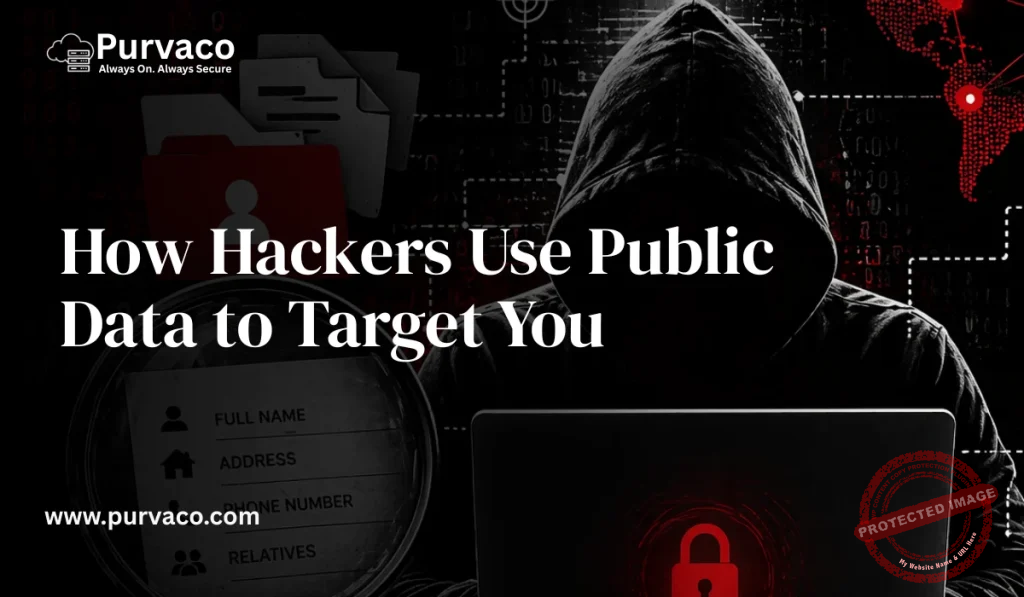
Most people think hacking requires advanced coding skills, complex malware, or direct system breaches. In reality, a large percentage of successful cyberattacks begin with something far simpler—publicly available information.
Today, your personal data exists across multiple platforms: social media profiles, government records, and data broker websites. Individually, each piece of information may seem harmless. But when combined, they create a detailed profile that attackers can exploit with alarming precision.
Hackers no longer need to “break in” the traditional way. Instead, they analyze, connect, and weaponize data that is already out there.
In this article, you’ll learn how attackers use public data, explore real-world attack scenarios, and understand how platforms like FamilyTreeNow contribute to this ecosystem. More importantly, you’ll learn how to protect yourself before your information becomes a target.
The New Age of Hacking: Data-Driven Attacks
Modern cyberattacks are less about brute force and more about intelligence gathering. This approach is known as OSINT (Open-Source Intelligence).
What is OSINT?
OSINT refers to collecting information from publicly available sources such as:
- Social media platforms
- Public records
- News articles
- Online directories
- Data broker websites
Hackers use OSINT to build a complete digital profile of a target before launching an attack.
Why This Works So Well
Because the data is:
- Easily accessible
- Legally available
- Often accurate
- Frequently updated
This makes it incredibly valuable for attackers planning targeted campaigns.
Where Hackers Get Your Data
To understand the threat, you need to know where your data is coming from.
1. Public Records
Government databases often include:
- Property ownership details
- Court records
- Business registrations
- Voter information
While these records are meant for transparency, they can be misused when aggregated.
2. Social Media Platforms
Platforms like Facebook, LinkedIn, and Instagram provide a goldmine of personal data.
Hackers can learn:
- Your job role
- Workplace
- Friends and connections
- Daily habits
- Travel plans
Even small details—like a birthday post or office celebration—can be used strategically.
3. Data Broker Websites
This is where things become more structured.
Websites like FamilyTreeNow collect data from multiple sources and compile it into a single profile.
These profiles may include:
- Full name
- Address history
- Phone numbers
- Relatives and associates
For a hacker, this eliminates the need to search multiple sources manually.
How Hackers Combine This Data
Individually, each data source is limited. But when combined, they create a complete identity map.
Example Data Combination
- From social media → your job and workplace
- From public records → your home address
- From data brokers → your phone number and relatives
Now the attacker knows:
- Who you are
- Where you live
- Who you know
- How to contact you
This allows them to craft highly targeted attacks.
Real Examples of Data-Driven Attacks
Let’s break down how this actually happens.
Example 1: Spear Phishing Attack
Step 1: Data Collection
A hacker finds your profile on LinkedIn:
- Job title: Finance Manager
- Company name
They check your Instagram:
- Recent post about office event
They use FamilyTreeNow:
- Find your phone number
- Confirm your identity
Step 2: Attack Execution
You receive an email:
“Hi, we need urgent approval for a payment. Please review attached invoice.”
Because the attacker knows your role, the email feels legitimate.
Result:
You open the attachment → malware installs → system compromised.
Example 2: SIM Swap Attack
Step 1: Data Gathering
From data brokers:
- Full name
- Address
- Phone number
From social media:
- Birthdate
- Personal details
Step 2: Impersonation
Attacker contacts telecom provider pretending to be you.
They provide:
- Name
- Address
- DOB
Result:
They gain control of your phone number → intercept OTPs → access bank accounts.
Example 3: Business Email Compromise (BEC)
Step 1: Research
From LinkedIn:
- Company hierarchy
From public data:
- Employee details
Step 2: Impersonation
Attacker sends email posing as CEO:
“Transfer funds urgently to this account.”
Result:
Employee trusts the request → transfers money → financial loss.
Example 4: Physical Security Risk
Step 1: Data Collection
From social media:
- Vacation posts
From data brokers:
- Home address
Step 2: Exploitation
Attacker knows:
- You are not home
- Where you live
Result:
Increased risk of burglary or physical intrusion.
Why Data Broker Sites Increase Risk
Platforms like Family Tree Now don’t create new data—they centralize existing data.
This creates three major risks:
1. Convenience for Attackers
Instead of searching multiple databases, attackers get everything in one place.
2. Faster Target Profiling
Profiles can be built in minutes instead of hours.
3. Wider Accessibility
Anyone—not just skilled hackers—can access this data.
The Psychology Behind These Attacks
These attacks succeed because they feel personal and believable.
When attackers use:
- Your name
- Your job role
- Your contacts
…it lowers your suspicion.
This is called trust exploitation.
The more accurate the data, the more convincing the attack.
Warning Signs You Might Be a Target
Watch for:
- Unexpected emails referencing your job
- Calls from unknown numbers claiming to know you
- Requests for urgent action
- Messages mentioning personal details
If something feels “too specific,” it probably is.
How to Protect Yourself
Now the critical part—defense.
1. Remove Your Data from Broker Sites
Start with platforms like FamilyTreeNow.
- Search your name
- Identify your profile
- Submit opt-out request
This reduces your exposure significantly.
2. Limit Social Media Sharing
Avoid posting:
- Location updates in real-time
- Personal contact details
- Sensitive life events
3. Strengthen Authentication
Use:
- Strong, unique passwords
- Two-factor authentication (2FA)
Even if attackers have your data, they can’t easily access your accounts.
4. Be Skeptical of Communication
Always verify:
- Emails requesting action
- Messages asking for money
- Unknown calls
Never act on urgency without confirmation.
5. Monitor Your Digital Footprint
Regularly:
- Search your name online
- Check data broker listings
- Remove unwanted profiles
Role of Secure Infrastructure (Purvaco Perspective)
While personal vigilance is critical, businesses also need strong infrastructure.
Cloud providers like Purvaco play a role in:
- Protecting sensitive data
- Preventing unauthorized access
- Securing applications from breaches
Why This Matters
If your business stores user data:
- A breach exposes customer information
- Attackers combine it with public data
- Impact multiplies
Secure cloud environments ensure that even if public data exists, private data remains protected.
The Bigger Picture: Your Digital Identity
Your identity is no longer just physical—it’s digital.
It exists across:
- Social platforms
- Public databases
- Data broker websites
Hackers don’t need to break systems if they can simply analyze what’s already exposed.
Conclusion
Hacking today is less about code and more about information. The more data available about you, the easier it becomes for attackers to craft precise, convincing, and effective attacks.
Platforms like FamilyTreeNow highlight a larger issue—the accessibility of personal data in the digital age.
The solution is not panic, but action.
- Reduce your exposure
- Remove unnecessary listings
- Stay aware of how your data is used
Because in modern cybersecurity, your first line of defense is not software—it’s awareness.

At Purvaco, we help businesses build, host, secure, and scale their digital infrastructure with confidence. As a cloud and hosting company focused on performance, reliability, and business growth, Purvaco delivers enterprise-grade solutions including cloud hosting, VPS hosting, dedicated servers, managed infrastructure, cybersecurity, disaster recovery, and application hosting.
Driven by a customer-first approach and backed by expert support, Purvaco works with startups, SMEs, and enterprises to simplify infrastructure management and accelerate digital transformation. Our mission is to provide secure, scalable, and high-performance hosting environments that keep businesses always connected, always secure, and ready for growth.